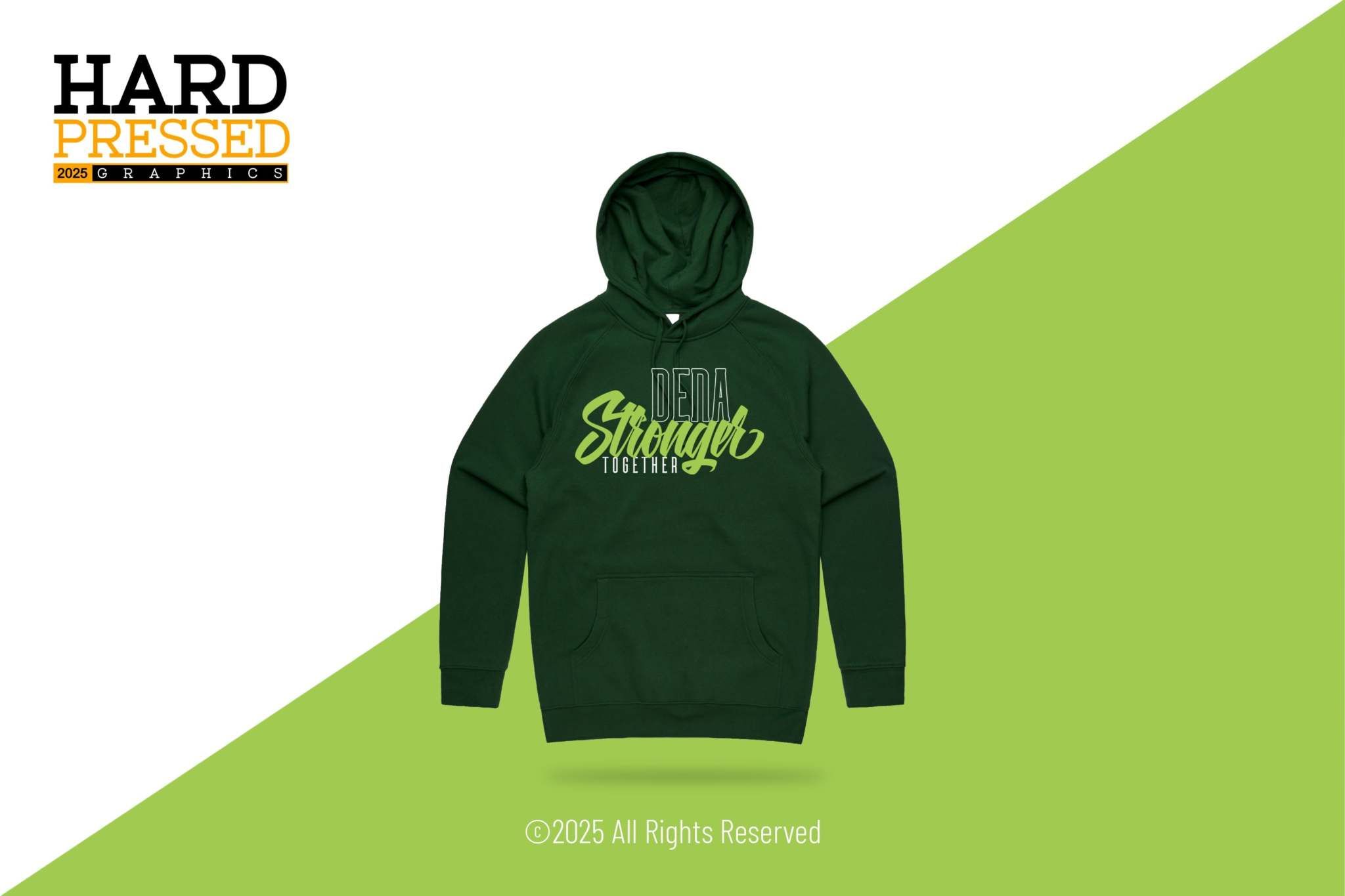
Choose your Altadena hoodie size by comparing a hoodie you already like with measurements for the exact style you want. A size label alone does not tell you chest width, body length, or how much room you will have over a shirt.
- Choose your Altadena hoodie size from measurements, not the size letter alone.
- The Dena Stronger Hoodie lists sizes from S through 3X-Large, but not a measurement chart.
- Compare chest width, body length, and sleeve length using the same measuring method.
- Ask for missing measurements before ordering; do not assume every hoodie fits alike.
Why this matters when you shop for Dena apparel
A local design can feel immediately familiar. Its fit still needs a separate check. The Dena Stronger Hoodie carries “Dena Stronger Together” across the front and lists gray and iced grape options, but those details do not establish how a particular size will fit you.
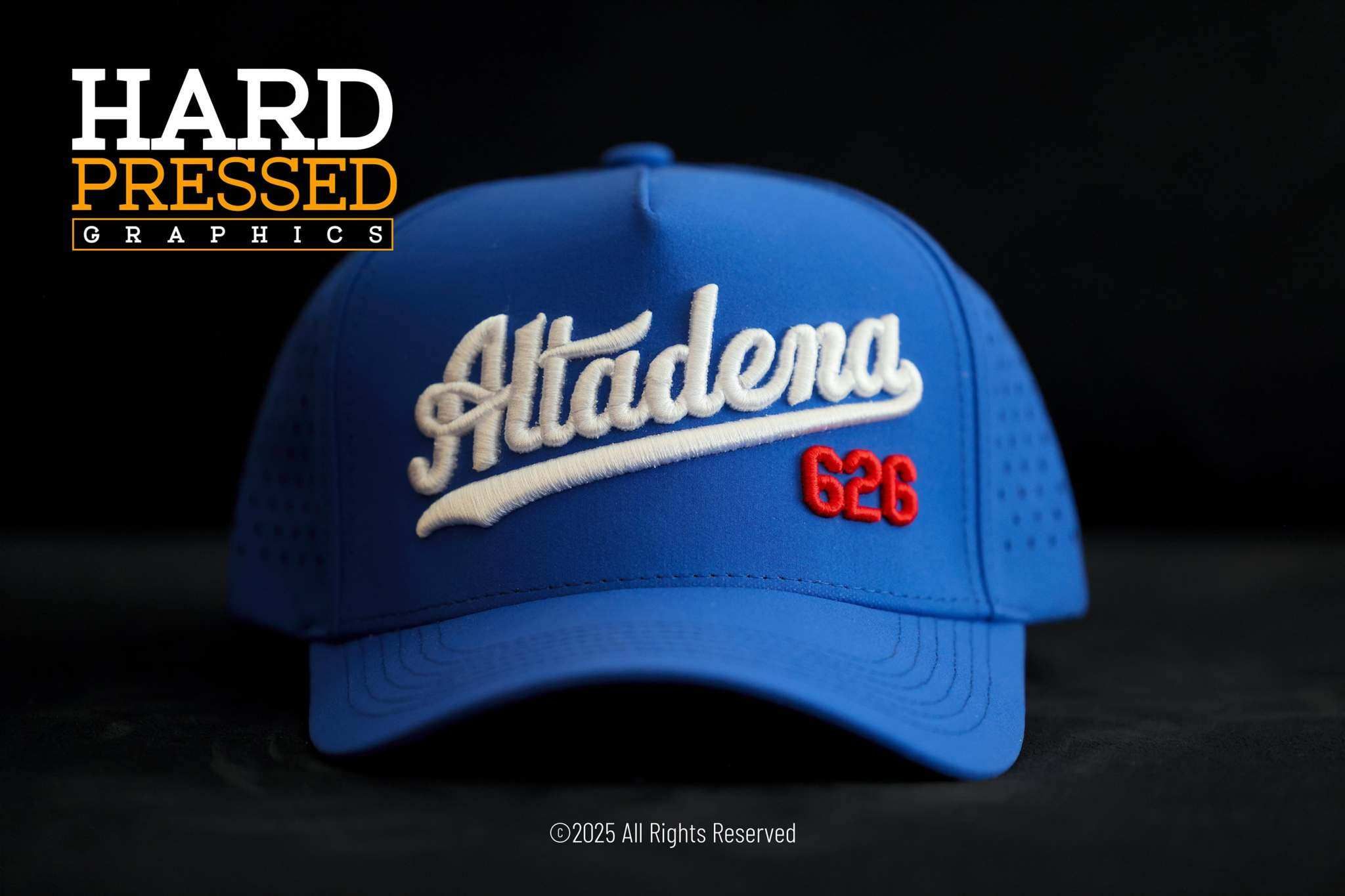
Hard Pressed Graphics offers Altadena hoodies for locals and former residents who want to carry that connection into everyday life. Choose the message with your heart and the size with measurements. That keeps a meaningful purchase practical, whether you will wear it close to home or wherever you live now.
This guide uses product details checked in October 2026. It does not assign body measurements to size letters or claim that the hoodies run small, large, or true to size. Those claims need evidence that the product descriptions do not provide.
Before you start
Gather a few things before you compare sizes:
- A hoodie that fits the way you want the new one to fit, plus a flexible tape measure and a flat surface.
- The product page for the exact hoodie you are considering, including its size options and any measurement notes.
- A way to record whether each measurement describes your body or the garment itself. Confusing the two can lead to the wrong choice.
The important catch is that a size menu is not a size chart. Both hoodies discussed here list size options, but the descriptions checked for this guide do not provide a size-by-size measurement table. If those measurements remain unavailable when you order, ask the store rather than filling the gap with another brand's chart.
Establish your reference fit
1. Choose a hoodie you actually enjoy wearing
Use a reference garment that suits the job you want the new hoodie to do. If your favorite hoodie feels right over a T-shirt, it is a better starting point for that use than a much looser layer you only wear around the house.
Try it on with the clothes you expect to wear underneath. Notice where it feels comfortable and where you would change it. Your reference does not have to fit perfectly; it has to give you a clear comparison.
Write down:
- Whether the chest feels comfortable, close, or roomy.
- Whether the hem ends where you want it to.
- Whether the sleeves stay comfortable when you reach forward.
- Whether the cuffs and waistband feel restrictive.
Avoid starting with a garment that you already wish were a different size. If you use one anyway, record its limitations alongside its measurements. Otherwise, you risk repeating the same fit problem in a new design.
2. Measure it without stretching the fabric
Lay the reference hoodie flat, smooth out folds, and leave the fabric relaxed. Do not pull the sides outward to reach a preferred number. Record the measuring points so you can repeat the method when comparing product information.
Three useful checks are chest width, body length, and sleeve length:
| Measurement | What to record on your reference hoodie | What must match in the product information |
|---|---|---|
| Chest width | The flat width across the body beneath the armholes | A flat garment-width measurement taken at the same location |
| Body length | The distance from a named shoulder point to the hem | The same starting point and ending point |
| Sleeve length | The distance between clearly named sleeve measuring points | Whether the measurement starts at the shoulder seam or elsewhere |
A flat chest width and a body chest circumference are different measurements. Do not compare them as if they were interchangeable. If a chart is unclear, ask what it measures before using it.
You do not need to turn this into a tailoring project. The goal is a repeatable reference, not a complicated formula. Keep the tape level, use a consistent unit, and write down enough detail that another person could understand what you measured.
3. Describe your preferred result
Numbers are useful only when you know the fit you want. Add a short note beside your measurements: “similar room through the chest,” “longer body,” or “comfortable over my usual shirt.” Those notes give the store something concrete to respond to.
Avoid treating “oversized” as an exact measurement. It describes a look or preference, not a universal size rule. The same goes for “regular fit” unless a product page defines it with measurements.
Expected result: you now have a reference garment, a consistent measuring method, and a clear description of what you want to keep or change.
Compare the exact Altadena hoodie
4. Separate design details from fit details
Two hoodies can carry a related community message without sharing an identical cut. Start a fresh fit check for each product instead of transferring assumptions from one listing to another.
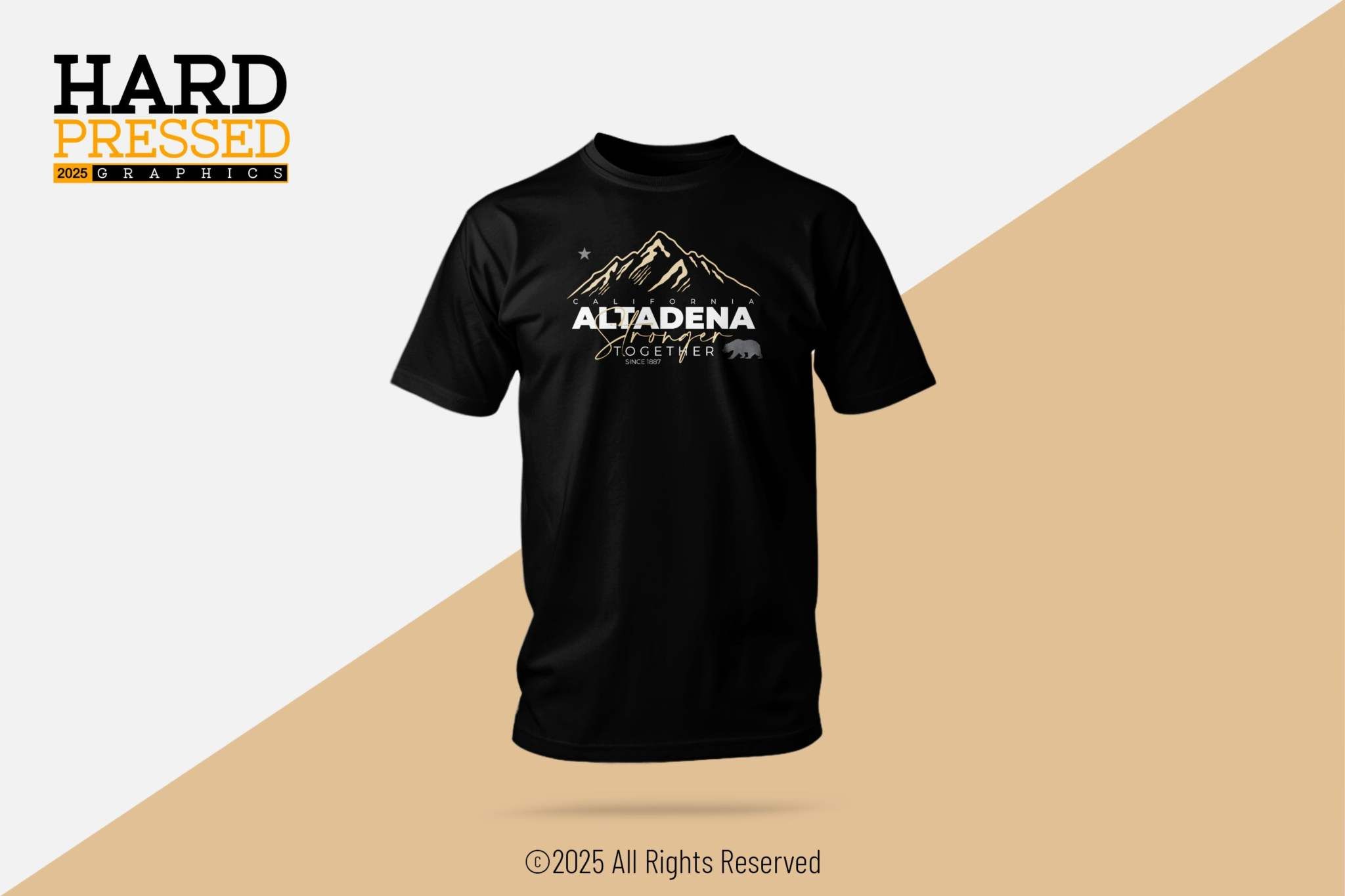
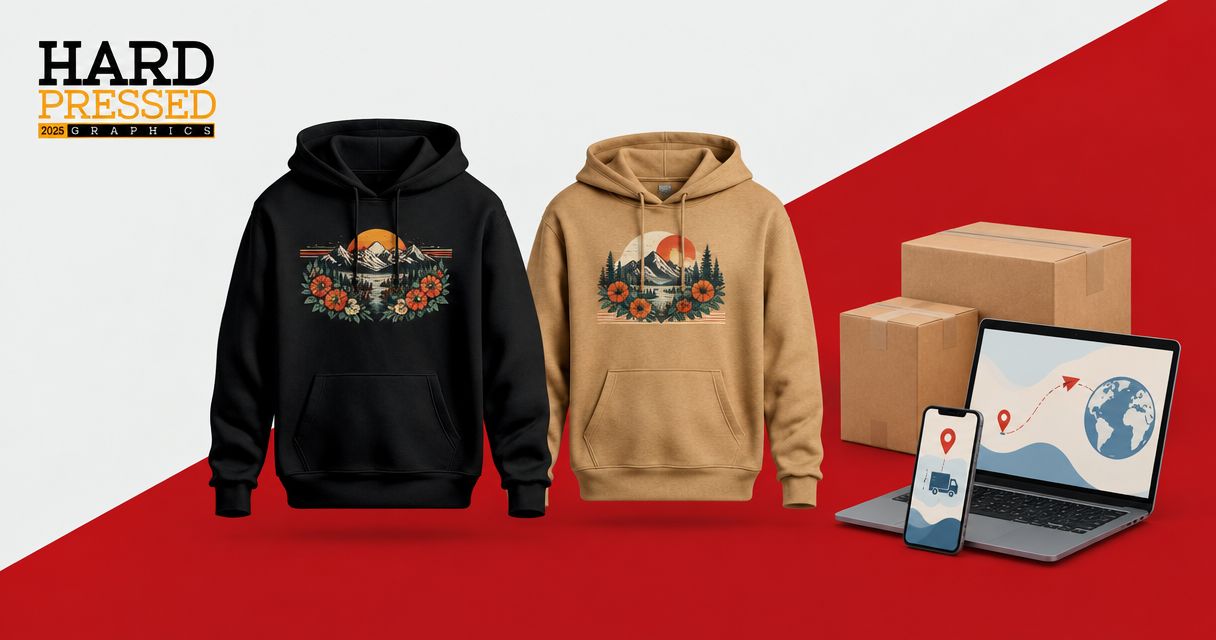
The other option in this guide is the Big Bear California Altadena Hoodie – Stronger Together Since 1887 – Hard Pressed Graphics. Its description identifies a black hoodie with a bear against a mountainous backdrop and the wording “California ALTADENA Stronger Together Since 1887.” It describes the garment as heavyweight but does not provide a fabric weight or measurement chart.
Here is what those verified details can—and cannot—help you decide:
| Hoodie | Best for | Verified design details | Fit limitation to resolve |
|---|---|---|---|
| Dena Stronger Hoodie | A straightforward Dena community message | Gray or iced grape; Dena Stronger Together wording | Size-by-size chest, body, and sleeve measurements are not supplied in the checked description |
| Big Bear California Altadena Hoodie – Stronger Together Since 1887 – Hard Pressed Graphics | A bear-and-mountain design on a black hoodie | Black; bear and mountain artwork; described as heavyweight | The description does not establish fit or supply a measurement chart |
Both listings include S, M, L, XL, 2XLarge, and 3X-Large as size options. These are listed options, not a promise about current stock or a statement that the sizes measure alike across both products.
5. Ask a question that can be answered precisely
If the product page does not give enough sizing information, name the hoodie and the sizes you are comparing. Include your reference measurements and explain how you took them.
A useful message is: “I'm comparing the sizes for the Dena Stronger Hoodie. Can you confirm the flat chest width, body length, and sleeve length for each size, and how those measurements are taken?” Add your preferred fit and usual layer underneath.
That is more useful than asking only whether it runs true to size. A general yes or no still leaves the meaning of “true” unresolved, while matching measurements directly addresses the decision in front of you.
Ask about any important detail the listing leaves open:
- Whether the measurements describe the finished garment or the wearer's body.
- Whether the chart applies to this exact hoodie.
- How body length and sleeve length are measured.
- Whether there are product-specific care instructions that affect your decision.
Do not assume an unanswered question means the fit will be wrong. It means the detail is not yet confirmed. If fit is essential to the purchase, resolve that detail before checkout.
6. Review the selected options together
Once you have the information you need, compare the measurements with your reference hoodie. Use the same units and matching measuring points. If you are between choices, identify which measurement is driving the decision rather than automatically choosing the larger letter.
Review the product name, size, and color together before adding the item to your order. Read the store's current return and exchange terms as a separate step; this guide does not establish eligibility, deadlines, or who pays return shipping.
Expected result: the selected hoodie matches a known fit preference, and any decision about a looser or closer fit is deliberate rather than accidental.
A second approach: choosing a hoodie as a gift
The same process works for a gift, but you need a reliable reference from the recipient. Ask what hoodie fits them comfortably or invite them to share measurements. Knowing their usual T-shirt size is less useful than knowing the dimensions of a hoodie they already wear.
If you can discreetly measure a reference garment with permission, record it using the method above. Keep the recipient's preferred style in mind: someone who likes a close fit and someone who likes roomy layers can wear the same size label for different reasons.
For a gift, confirm:
- The recipient wants a hoodie rather than a crewneck sweatshirt.
- The design and message suit them personally.
- The reference garment is one they still wear comfortably.
- The current store terms work for the gift arrangement.
Avoid presenting an exchange as guaranteed. If the sizing information is incomplete and the recipient's fit preferences are unknown, get that information before committing to the gift.
Troubleshooting common sizing problems
The chart and my measurements use different units
Convert the units before comparing, and keep the original measurements in your notes. More importantly, check that the measurements refer to the same thing. Converting units cannot fix a comparison between body circumference and flat garment width.
My usual size is listed, but I cannot find dimensions
Do not borrow a size chart from another product or brand. Ask for measurements for the exact hoodie. A familiar label is a starting point, not evidence of a match.
The chest looks right, but I am unsure about length
Treat body length as its own decision. Ask where the product's length measurement begins and compare it with your reference garment using the same starting point. A comfortable chest does not automatically establish a comfortable hem position.
I want room for layers
Try your reference hoodie over the actual layer you expect to wear. If it does not provide the room you want, describe that limitation when asking about the new hoodie. There is no supported rule here that every shopper should go up a size.
I am worried about washing changes
Check the care label and ask for product-specific fabric and washing information when it is missing. Do not assume the hoodie shares the cotton content or preshrunk description of a T-shirt elsewhere in the store. This guide does not predict a shrinkage percentage.
Hoodie options to compare


FAQ
How do I choose my Altadena hoodie size?
Compare measurements from a hoodie you like with measurements for the exact Altadena hoodie you want. Match the measuring method as well as the units, and ask the store for any missing dimensions.
Does the Dena Stronger Hoodie run true to size?
The checked product description does not establish that the Dena Stronger Hoodie runs true to size. Ask for garment measurements rather than relying on that label.
Which sizes are listed for the two hoodies in this guide?
Both listings include S, M, L, XL, 2XLarge, and 3X-Large. Listed options do not establish current stock or matching measurements between styles.
Should I size up for a roomy hoodie?
Do not automatically size up without checking dimensions. Compare the exact garment measurements with a reference hoodie and explain how much room you want for layering.
Can I use my T-shirt size to choose a hoodie?
Your T-shirt size is only a starting point. A hoodie reference gives you a more relevant comparison for body length, sleeve length, and room over another layer.
How should I choose a hoodie size for a gift?
Use a hoodie the recipient wears comfortably as a reference, or ask them for measurements. Check current return and exchange terms instead of assuming the gift can be exchanged.
One last thing
A size chart is useful only when you understand how its measurements were taken. Before deciding between two sizes, resolve the measuring method; then choose the design you want to wear. The Dena connection belongs to you, but a comfortable fit still deserves a careful check.